
So far 4,596 Shramik trains have operated since May 1.
There was no confirmation yet on whether the migrant had tested positive for coronavirus.
Each train is likely to carry around 1,000-1,200 passengers, keeping in mind the social-distancing protocol.

The opposition has been critical of the Centre's handling of the situation, accusing it of not doing enough to ease the hardships of the migrant workers, many of whom have lost their jobs during the lockdown which started on March 25.

Staff at the Simhachalam north railway station, which is near the chemical plant LG Polymers started feeling suffocated and burning sensation in the eyes soon after the leak. Trains crossing the railway station stopped from 8:35 am to 12 noon.
The Railways has drawn up a schedule to operate 2,600 Shramik Special trains over the next 10 days across the country to ferry around 36 lakh migrant workers, stranded due to the COVID-19 lockdown, to their home states, Chairman of the Railway Board V K Yadav said on Saturday.

Since the beginning of running the Shramik Special trains, Gujarat remained one of the top originating stations followed by Kerala.

Bihar has accepted the most workers back with 100 trains, West Bengal has given nod to two, while eight more trains are in the pipeline.
While 287 trains have already reached their destinations, 79 trains are in transit, officials said. Out of these 287 trains, 127 terminated in Uttar Pradesh, 87 in Bihar, 24 in Madhya Pradesh, 20 in Odisha, 16 in Jharkhand, four in Rajasthan, three in Maharashtra, two each in Telangana and West Bengal, and one each in Andhra Pradesh and Himachal Pradesh, the officials said.

Train resumed its journey after the derailed engine was replaced.
The letter from West Bengal Chief Secretary Rajiva Sinha to Chairman of Railway board V K Yadav dated May 22, stated that the state has been severely impacted by Super Cyclone Amphan on May 20-21 which caused extensive damage to the infrastructure.

The migrants were ferried to their villages in sanitised buses arranged by the Jharkhand government to take them home after preliminary medical screening at the station, officials said.

Out of the 932 trains which have been operated so far, 215 are in transit while 717 have terminated at various stations. Sixty-seven more are in the pipeline, an official said.
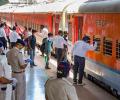
The clarifications came amid criticism over delays that the migrant trains were getting 'lost' before reaching their destinations. Till May 28, Yadav said, 3,840 Shramik Specials operated ferrying a total of 52 lakh passengers.

During the last three days, more than 2 lakh persons have been transported per day. In days to come, it is expected to be scaled up to 3 lakh passengers per day, the Railways said.
Earlier, the Railways had issued statements saying that it planned 125 trains for evacuating migrants from Maharashtra on May 25 but the state government was only able to give information for 41 trains till 2 am.
Railway spokesperson Rajesh Dutt Bajpai on Tuesday said, "Consent of terminating state not necessary to run Shramik Special trains". He further said, "After the new SoP, the implication is that no consent of the receiving state is mandatory".
Of the total trains, 2,875 have terminated, while 401 are in transit. The top five states and union territories from where maximum trains originated are Gujarat (897), Maharashtra (590), Punjab (358), Uttar Pradesh (232) and Delhi (200).
Till Tuesday night, the national transporter had run 88 trains for the migrant workers who were stranded at their workplaces due to the coronavirus lockdown and wishing to go back to their homes. Each special train has 24 coaches, each with a capacity of 72 seats. But the national transporter is allowing only 54 persons in a coach to maintain social distancing norms by not allotting the middle berth to any passenger.

Chief Minister Mamata Banerjee sought Prime Minister Narendra Modi's intervention on Wednesday in the alleged "whimsical" functioning of the railways in sending Shramik Special trains to West Bengal and urged the Bharatiya Janata Party-led Centre not to pursue politics when the state is battling a dual crisis due to the COVID-19 pandemic and trail of destruction left behind by Cyclone Amphan.
While Uttar Pradesh has allowed 837 trains, Bihar has permitted 428 and Madhya Pradesh more than 100.
At least nine passengers were reported dead on May 27 over a span of 48 hours on board the migrant trains, with the railways stating that all of them had health conditions.
The key factor in deciding the 80 new trains was the fact that there were many stations from where the migrant workers are going back to their workplace.

'Indian Railways will run 200 non-AC trains daily as per the time table from June 1 for which online booking will start soon,' Goyal said in a tweet. He also said that within the next two days Indian Railways will double the number of Shramik Special Trains to 400 per day.

'Ensure they board special trains to reach their native places'

In a letter to chief secretaries of all states and union territories, Union Home Secretary Ajay Bhalla also sought their cooperation in running more Shramik Special trains for the migrant workers.
The Railways said it had intentionally changed the route.
The death triggered panic in the compartment with people suspecting that Parihar might have died due to COVID-19 and the co-passengers might contract the disease, police said.
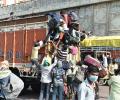
The migrants said that they prefer trucks and tempos to go back to their native places as the trucks drop them close to their villages, while buses drop them only till the state border, from where they have to find another mode of transport to reach home.
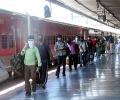
A controversy erupted on Monday after several opposition parties demanded that migrant workers should not be charged for the train tickets. While the Congress offered to pay for them, the Bharatiya Janata Party said the railways was already providing subsidised tickets bearing 85 percent of the travel costs.

The SOP said the train schedule, protocols for entry and movement of passengers, services to be provided in coaches, and arrangements with states and UTs for booking of tickets shall be publicised by the MOR.

The railways said these trains will be "special trains run on the pattern of regular trains", covering tier 2 cities and also major state capitals like Mumbai and Kolkata.
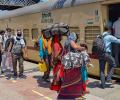
These trains will be run as special trains from New Delhi station connecting Dibrugarh, Agartala, Howrah, Patna, Bilaspur, Ranchi, Bhubaneswar, Secunderabad, Bengaluru, Chennai, Thiruvananthapuram, Madgaon, Mumbai Central, Ahmedabad and Jammu Tawi.

The Western Railway in a statement later said a Shramik Special train was scheduled for Purnia from the Bandra Terminus in which passengers registered with the state authorities were to travel. However, many people, who were not registered and not called by the state authorities, gathered on a road and a bridge near the station, it said.
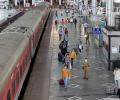
All special trains -- 15 pairs running on the Rajdhani routes since May 12 and 100 pairs of mail/express trains operating since June 1 -- will continue.
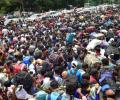
Officials said 1,500 people had registered to return to their respective states via Seva Sindhu app and a message was sent to all those registered to assemble at Palace Grounds to board the buses that will ferry them to designated railway stations after screening and medical check.

However, it will run special trains for migrants and others stranded across the country due to the ongoing lockdown.
'No linen, blankets and curtains shall be provided inside the train. Passengers are advised to carry their own linen,' an order by the Railways said. The order also said that there would be no provision of 'tatkal' and 'premium tatkal' accommodation and there will be very few stoppages during the journey.

The top court also directed authorities to consider withdrawing all cases against migrant workers for alleged violation of lockdown norms under the Disaster Management Act.
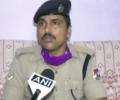
Sharif Hashmi was traveling with her husband Haseen Hashmi along with her four-month-old child in a Shramik Special train from Belgaum to Gorakhpur on May 31. Her baby was crying as she did not get milk at any previous station. She asked help from the constable, the statement said. Yadav immediately bought a packet of milk from a shop outside the Bhopal Railway Station, but the train started moving.
 © 2026 Rediff.com - Advertise with us - Disclaimer - Privacy Policy - Sitemap - Feedback - About us - Terms of use - Grievances